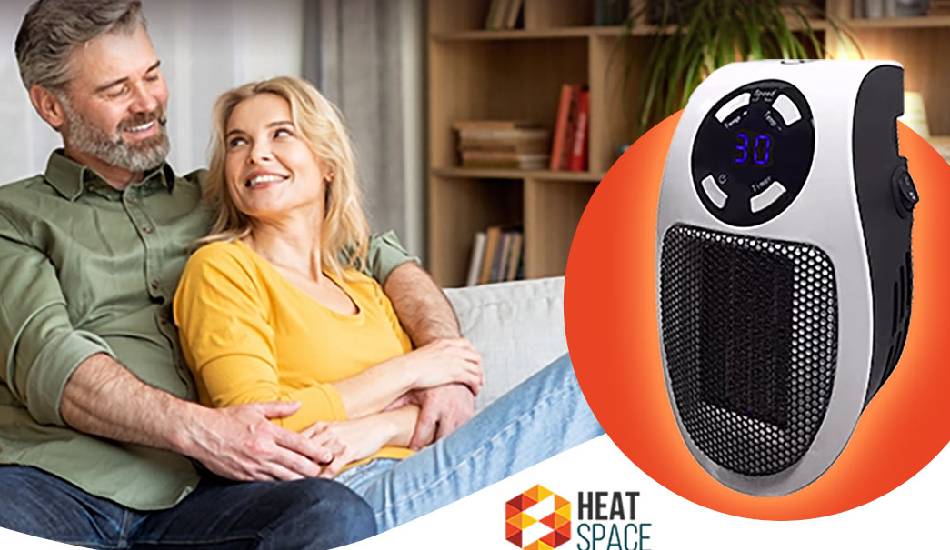
A portable heater is one of the simplest ways to stay comfortable in the room you're using without heating the whole house. But walk into any store and you'll find several different designs. Each one warms a room in its own way, so the right choice depends on how — and where — you plan to use it.
How each type works
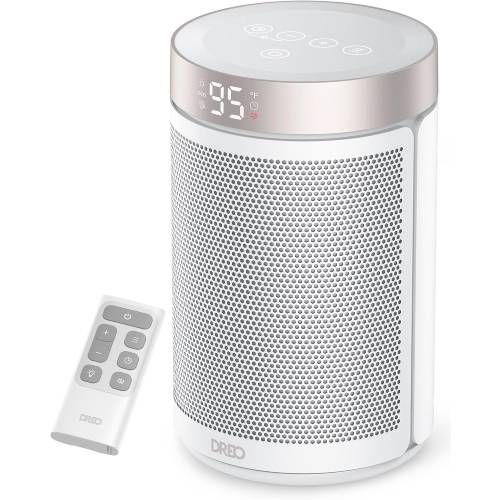
Ceramic (fan-forced) heaters pass air over heated ceramic plates and blow it into the room. They warm up quickly and are usually compact, making them a popular choice for small rooms, home offices and bedrooms.
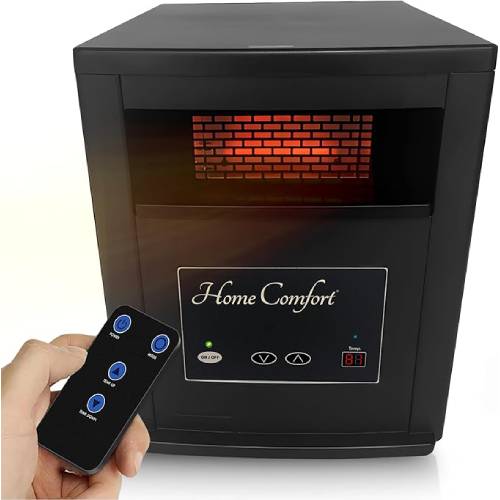
Infrared heaters use radiant heat, warming people and objects in their path directly rather than heating the air first. That makes them feel warm almost instantly when you're sitting nearby, and many models run quietly.
Oil-filled radiators heat oil sealed inside metal fins, which then radiates warmth into the room. They take longer to warm up but hold heat well and run silently — a good fit for steady, long-lasting warmth.
Side-by-side comparison
| Ceramic | Infrared | Oil-filled | |
|---|---|---|---|
| Warm-up speed | Fast | Very fast (near the heater) | Slow |
| Noise | Fan noise | Usually quiet | Silent |
| Heat style | Warms the air | Warms people and objects | Gentle, even warmth |
| Portability | Light and compact | Varies by model | Heavier, often on wheels |
| Best for | Quick heat in small rooms | Spot heating where you sit | Steady heat in bedrooms and living areas |
How to size a heater for your room
Most plug-in electric heaters top out at around 1,500 watts, the practical limit for a standard household outlet. A common rule of thumb is roughly 10 watts per square foot of floor space, so a 1,500-watt heater suits a room of about 150 square feet in typical conditions. Rooms with high ceilings, poor insulation or lots of windows may need more. Always check the manufacturer's recommended room size.
What about energy use?
Electric resistance heaters of all three types turn nearly all the electricity they use into heat, so no type is dramatically more efficient than another at producing warmth. The real savings come from heating only the room you're in and using features like thermostats, timers and eco modes so the heater isn't running longer than needed.
- Automatic tip-over shut-off
- Overheat protection
- An adjustable thermostat and timer
- A certification mark from a recognized testing lab (such as UL, ETL or CSA)
- A remote control, if the heater sits across the room
Safety basics for every heater
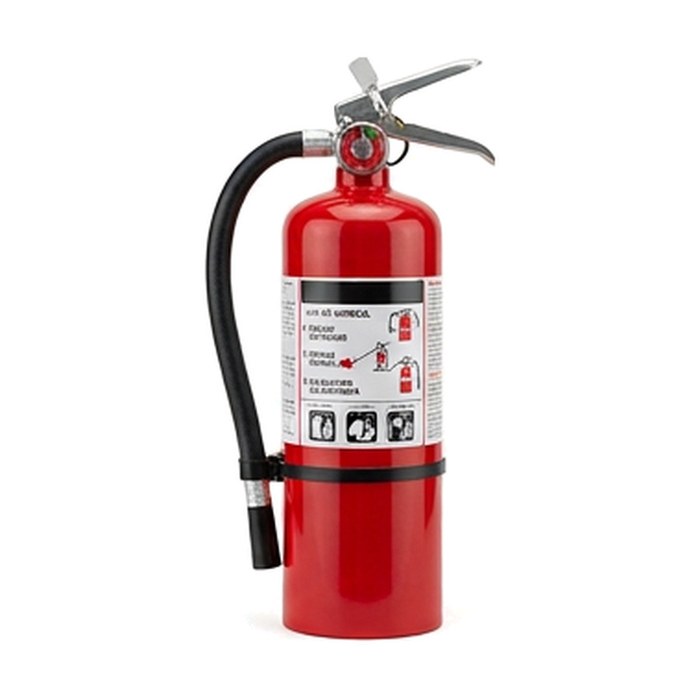
Whichever type you choose, keep at least three feet of clear space around it, plug it directly into a wall outlet rather than an extension cord or power strip, and switch it off when you leave the room or go to sleep. Make sure your home has working smoke alarms and keep a fire extinguisher within easy reach.
The bottom line
Choose ceramic for fast, compact heat in small spaces, infrared for instant warmth where you sit, and oil-filled for quiet, steady comfort. Size it to your room, look for built-in safety features, and you'll stay warm all season.